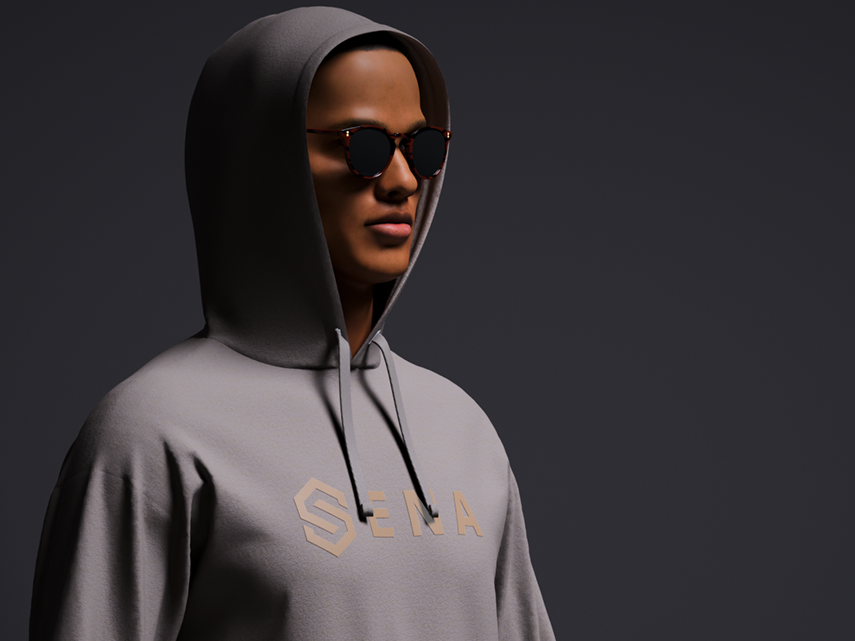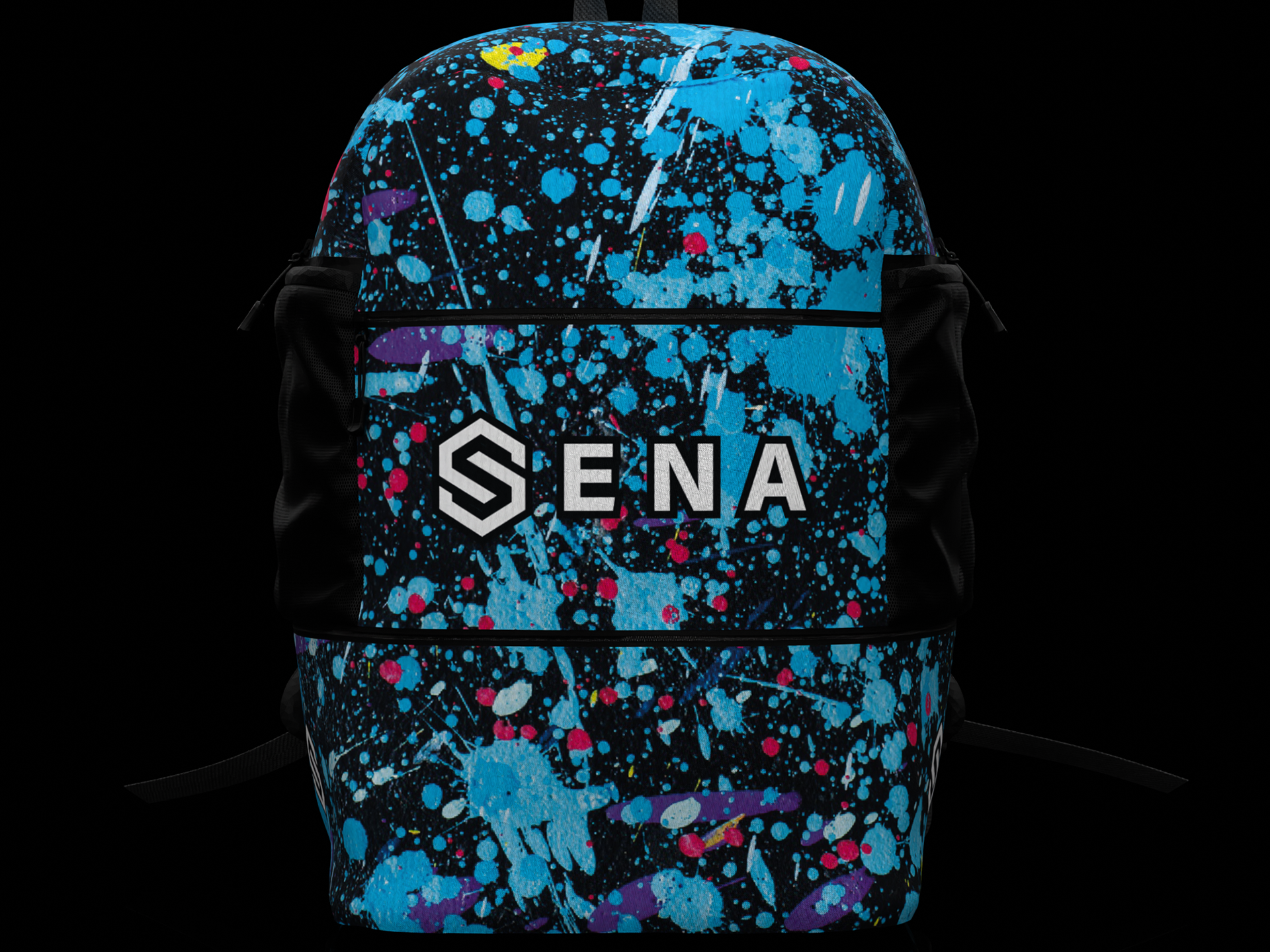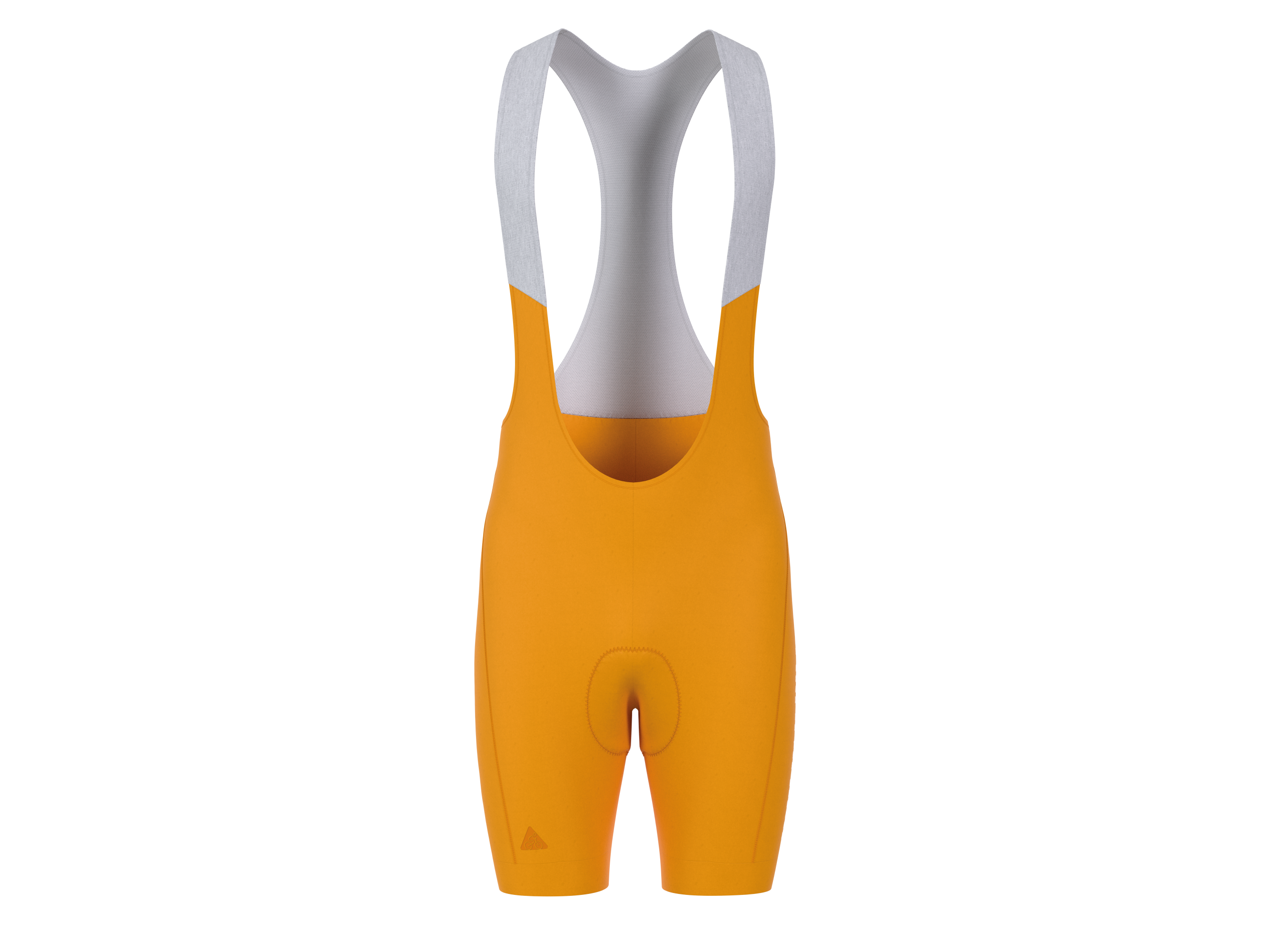

Cycling Jersey
3D + AI Hybrid Workflow
Project Overview
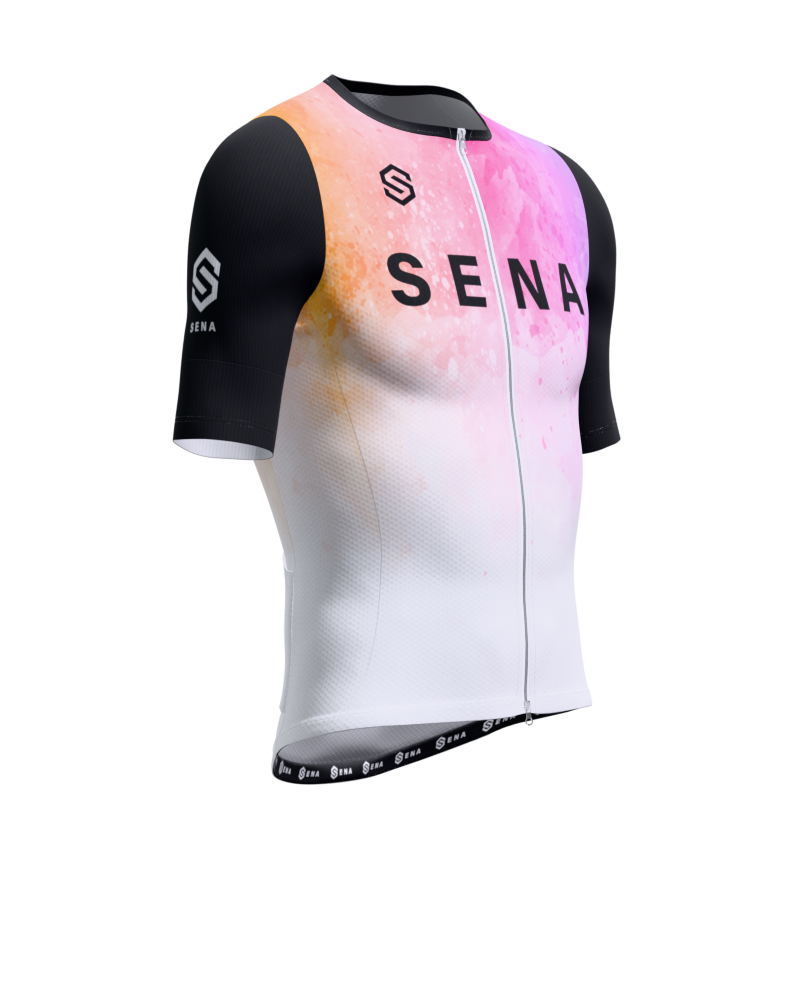
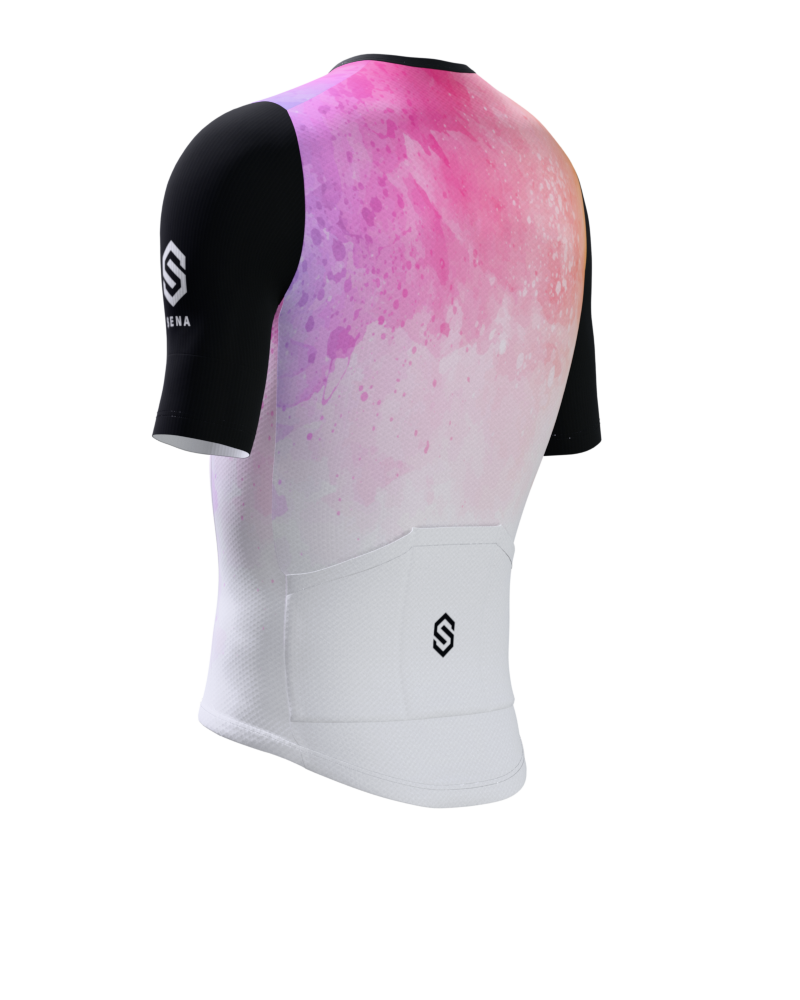
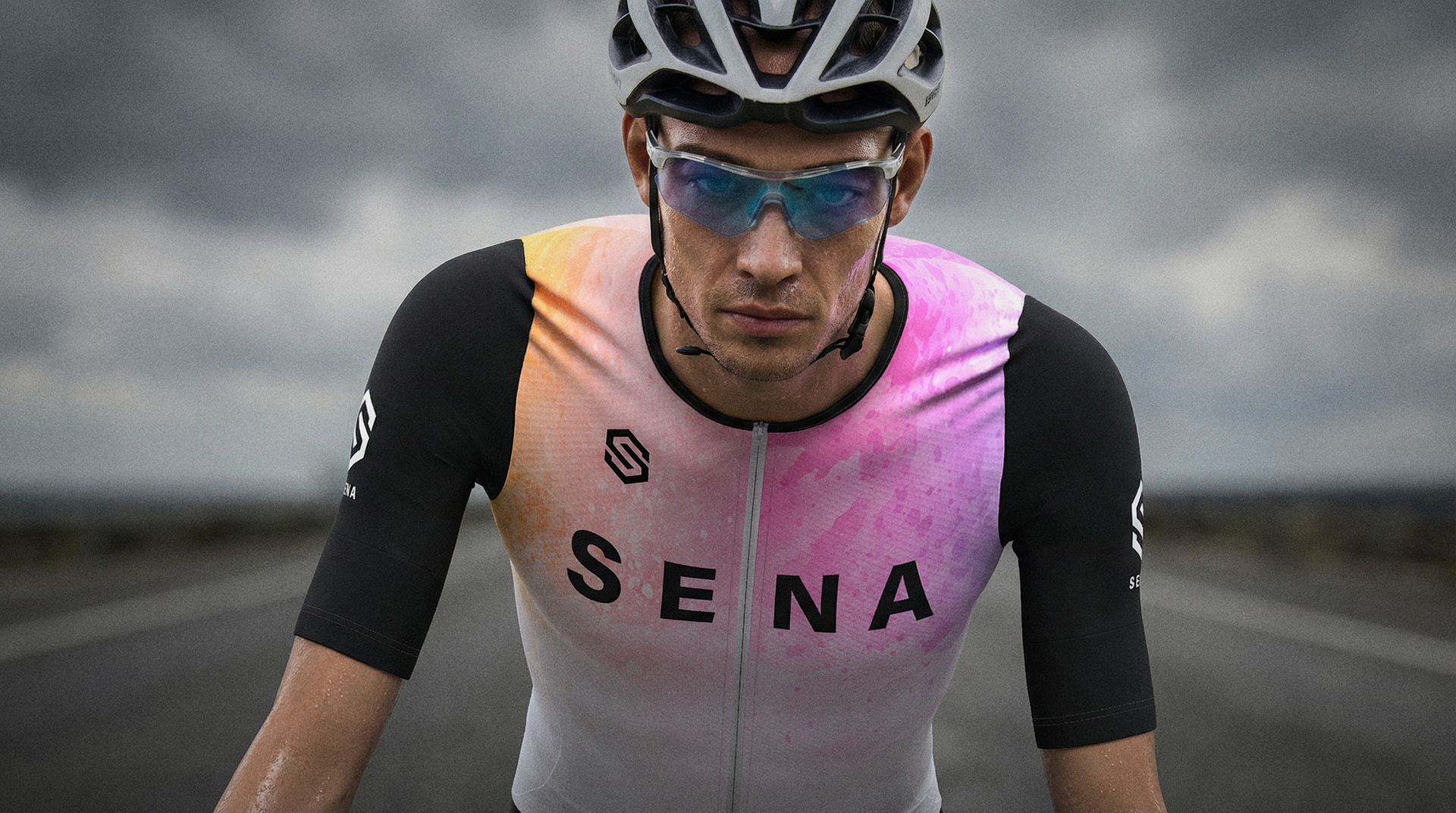
The goal was to demonstrate how independent sportswear brands can achieve top-tier campaign imagery without the logistical nightmare of physical photoshoots. By blending technical 3D precision with generative AI, we eliminate the gap between production files and marketing assets.
The Challenge: Precision vs. Atmosphere
Unlike standard AI generation, which often hallucinates logos or seams, this workflow guarantees 100% fidelity to the product. The jersey isn't "dreamed up" by AI; it is engineered.

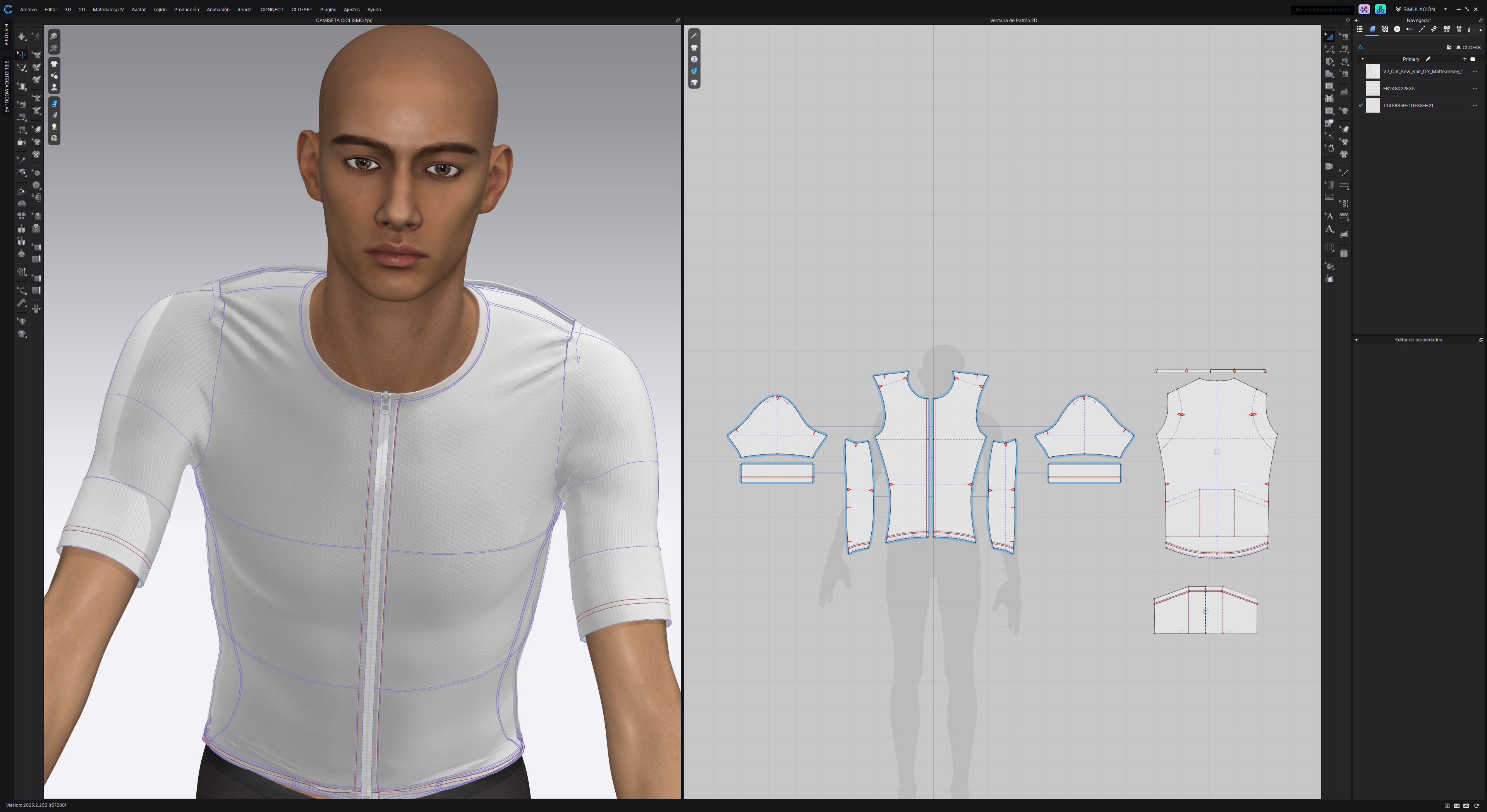
From Pattern to Mesh (CLO 3D) Digital Fashion Engineering
The process begins with the "human factor": translating the actual construction patterns into a digital environment.
Validation: Ensuring the fit, tension, and material behavior of the technical fabric correspond exactly to the physical garment.
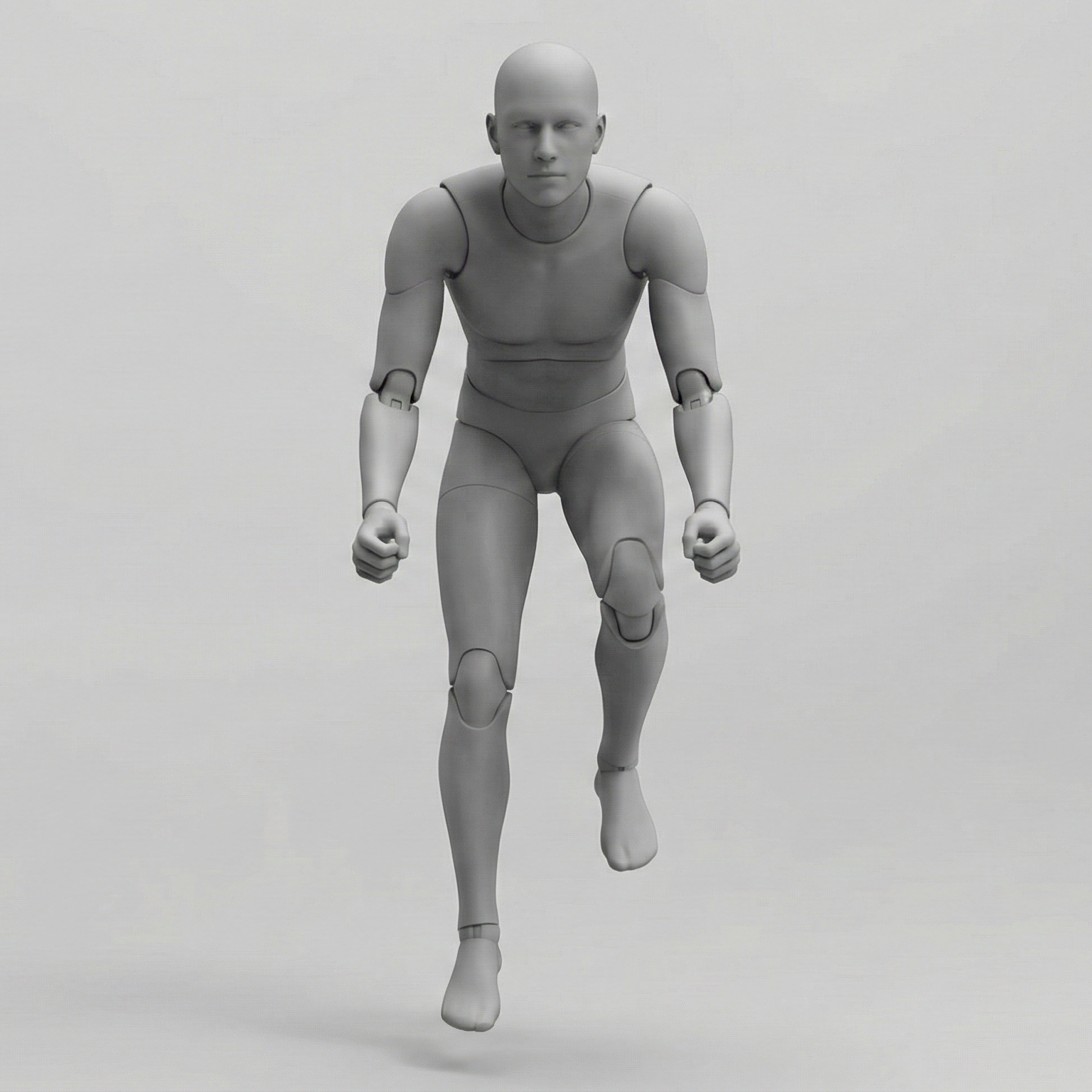
Dynamic Simulation: The cycling posture is rigged and simulated directly within CLO 3D. By mechanically adjusting the avatar, we generate authentic fabric folds and tension. Attempting to force this pose later via AI would distort the garment's structure; doing it in 3D guarantees the product remains 100% true to reality.
Sublimation Workflow
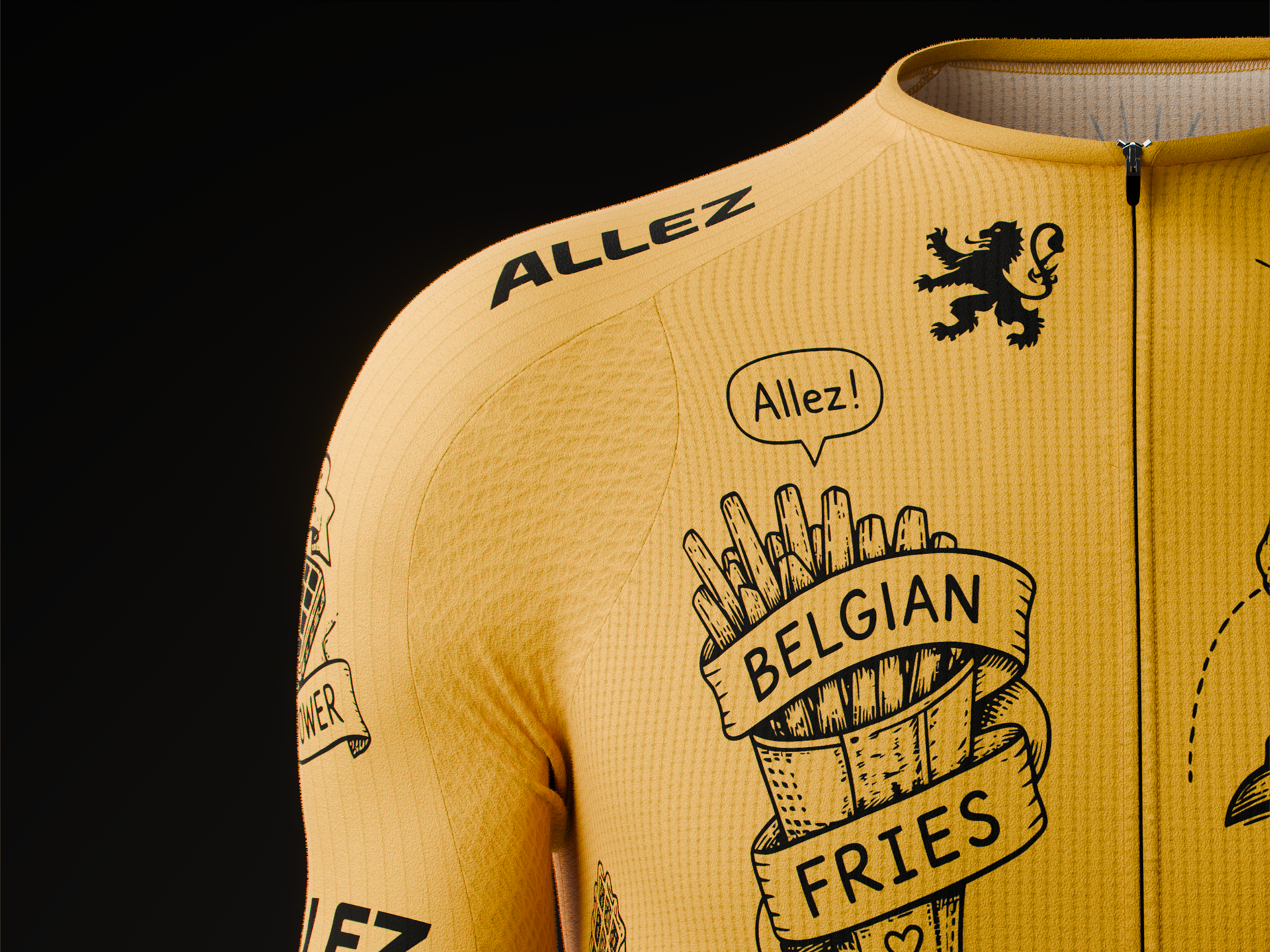
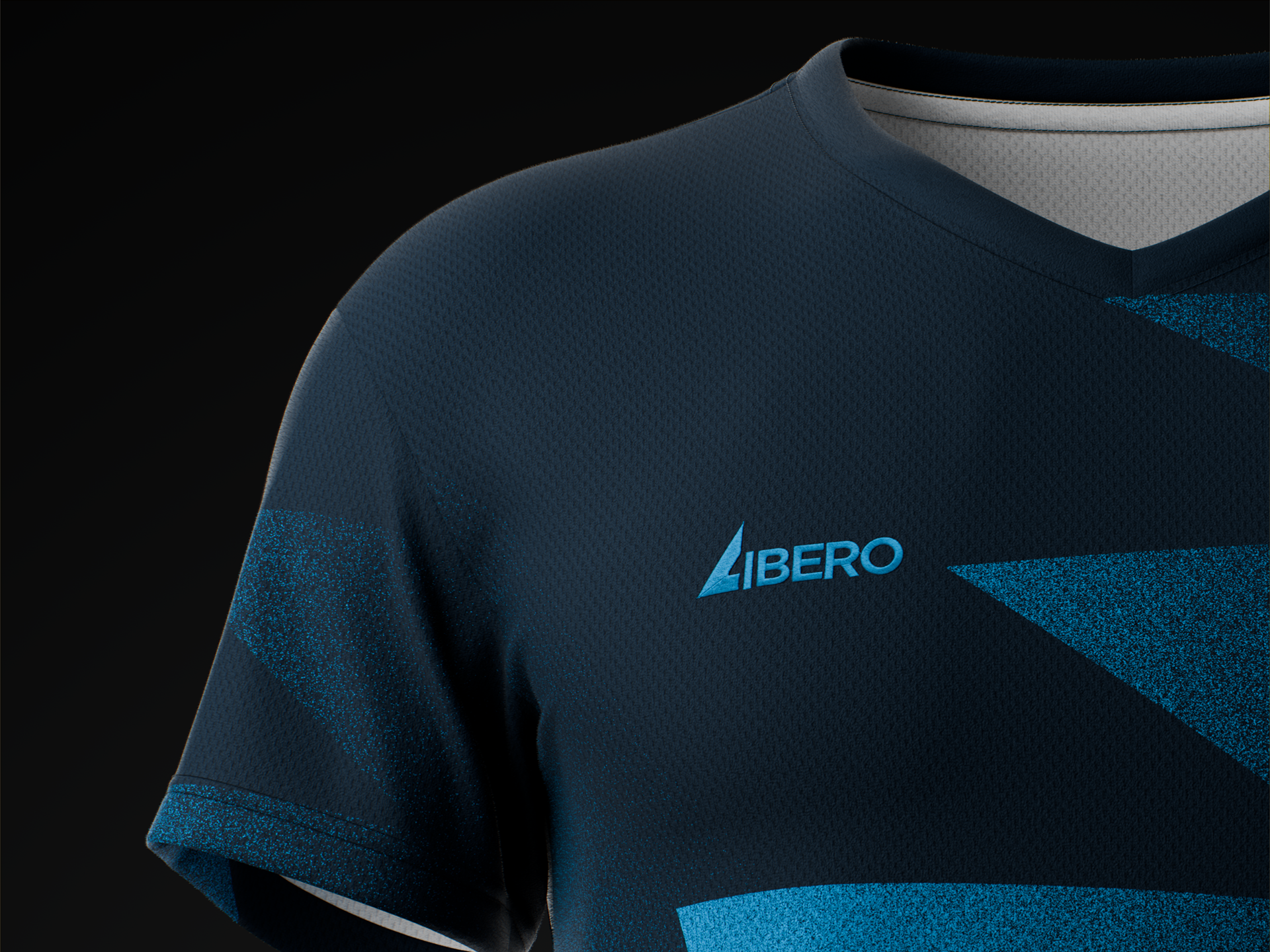
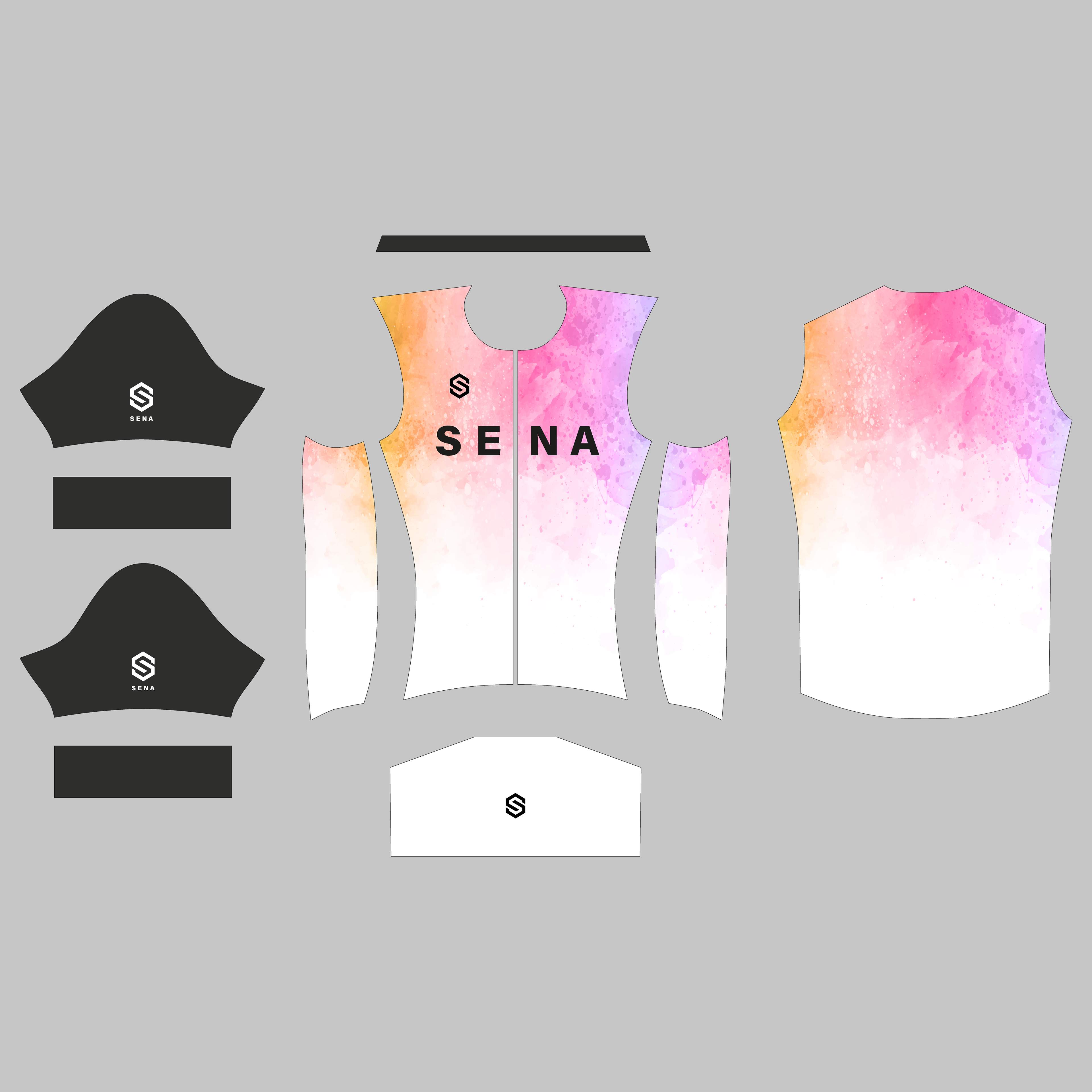
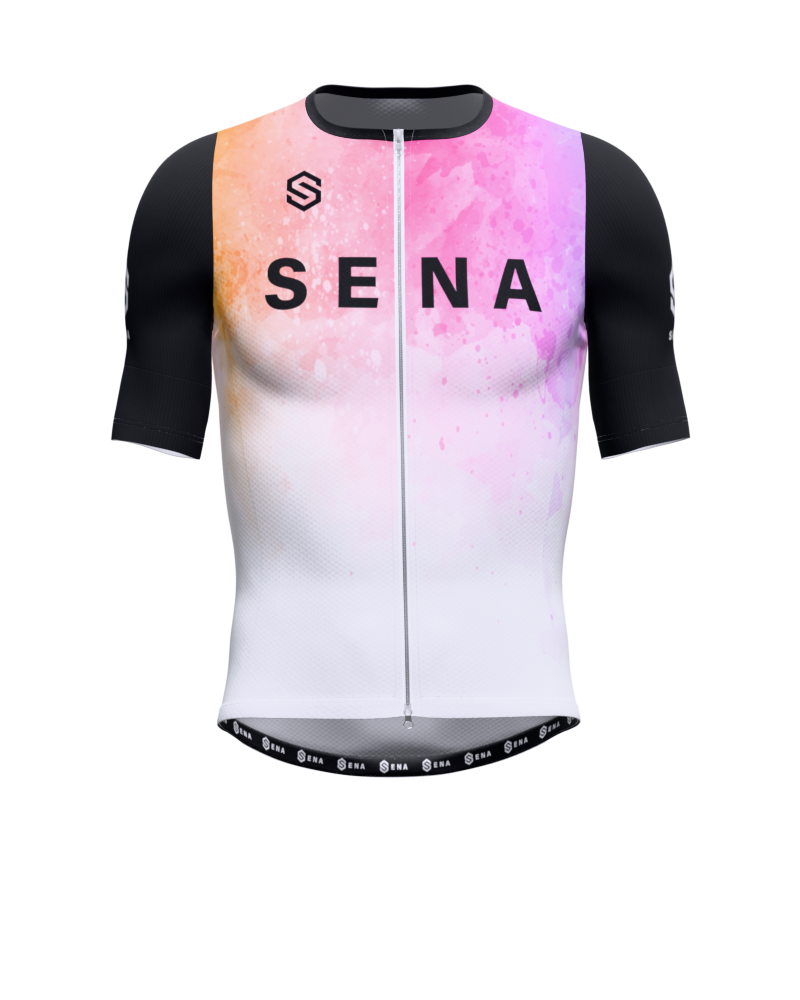
The visual identity is crafted separately in Adobe Illustrator to maintain vector precision. These assets are then mapped during the Blender texturing phase, ensuring that logos and gradients remain crisp and are not dependent on the simulation mesh resolution.
The visual identity is crafted separately in Adobe Illustrator to maintain vector precision. These assets are then mapped during the Blender texturing phase, ensuring that logos and gradients remain crisp and are not dependent on the simulation mesh resolution.
The Blueprint: Scene Composition
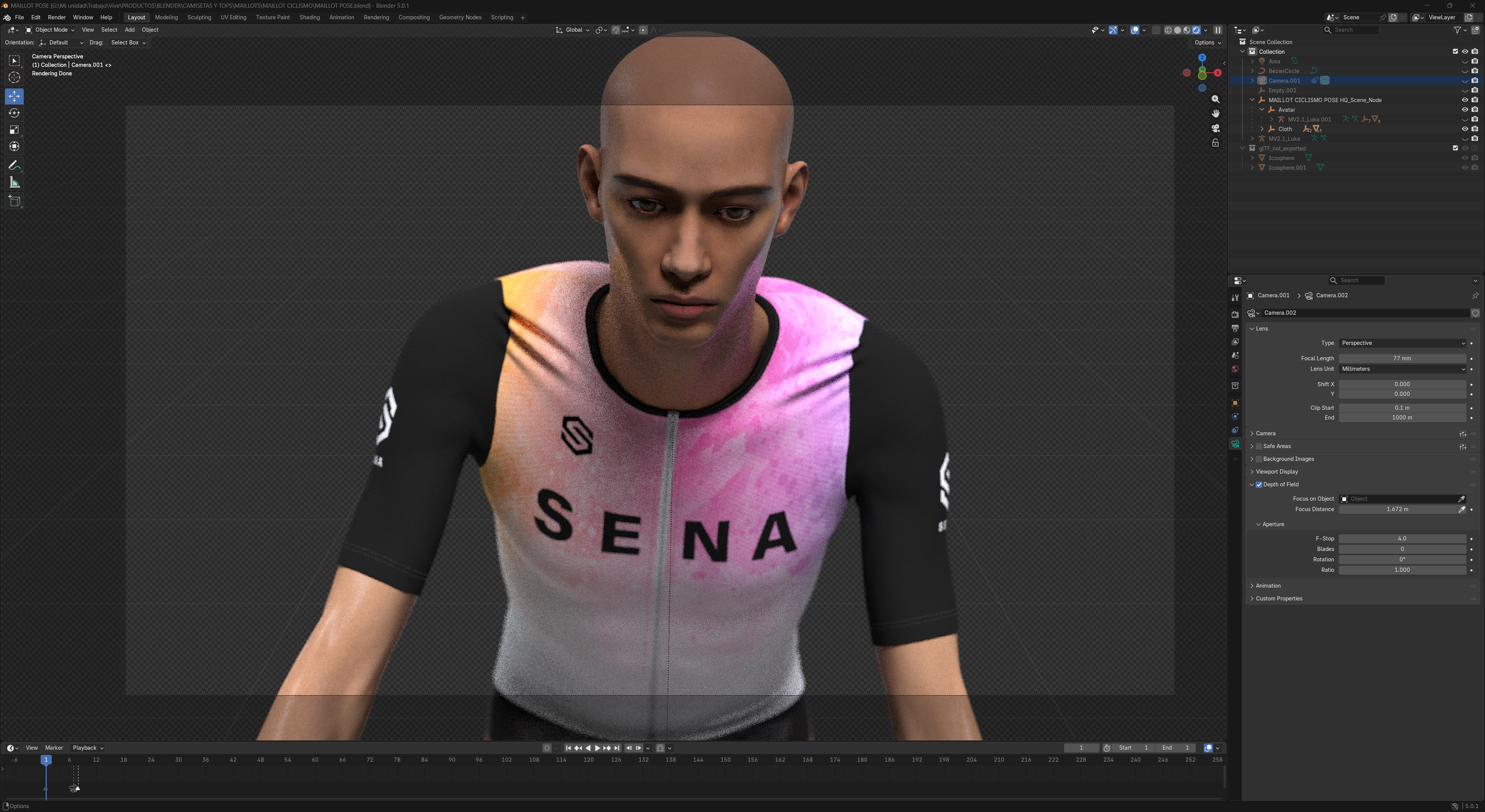
Staging the Ride (Blender) Scene Composition & Anatomy. Once the garment is simulated, I export the geometry to Blender to build the structural base of the image.
The AI Transformation
Step 1: Generative Accessories. My first priority was adding the helmet and sunglasses. Instead of spending hours on complex hard-surface modeling, I used AI to generate and integrate these props naturally onto the avatar's face structure.
Step 2: Prompt Engineering. Once the character was complete, I refined the prompt: "Photorealistic male cyclist portrait... aero cycling jersey... realistic skin texture with sweat details..."
Step 3: Environment. Finally, I placed the rider on a blurred outdoor road under an overcast sky to ground the product in reality.
Step 2: Prompt Engineering. Once the character was complete, I refined the prompt: "Photorealistic male cyclist portrait... aero cycling jersey... realistic skin texture with sweat details..."
Step 3: Environment. Finally, I placed the rider on a blurred outdoor road under an overcast sky to ground the product in reality.

The Final Polish Hyper-Realism & Grading
The raw AI output was imported into Adobe Lightroom for the final grade. I enhanced the character's contrast to make him stand out from the background and applied a fine film grain. This removes the "digital" sheen of AI, unifying the composition with a cinematic, photographic texture.
The raw AI output was imported into Adobe Lightroom for the final grade. I enhanced the character's contrast to make him stand out from the background and applied a fine film grain. This removes the "digital" sheen of AI, unifying the composition with a cinematic, photographic texture.
Technical Stack
CLO3D: Pattern Making, Garment Construction & Physics Simulation (Avatar Pose).
Adobe Illustrator: Vector Graphics & Sublimation Map Design.
Blender: 3D Scene Layout, Lighting Setup & Geometry Export.
The Fabricant (Generative AI): Photorealistic Rendering, Accessories Generation (Helmet/Glasses) & Environment.
Adobe Lightroom: Color Grading, Contrast & Film Grain finish.
About Me
I'm a freelance sportswear designer based in Granada, Spain, with over 15 years of experience specializing in sublimation.
You can check out more of my work at senastudio.art
Feel free to let me know if you have any questions or feedback!